Soft Flex: How Gen Z Is Making 'Boring' Fashion the Coolest Thing Right Now
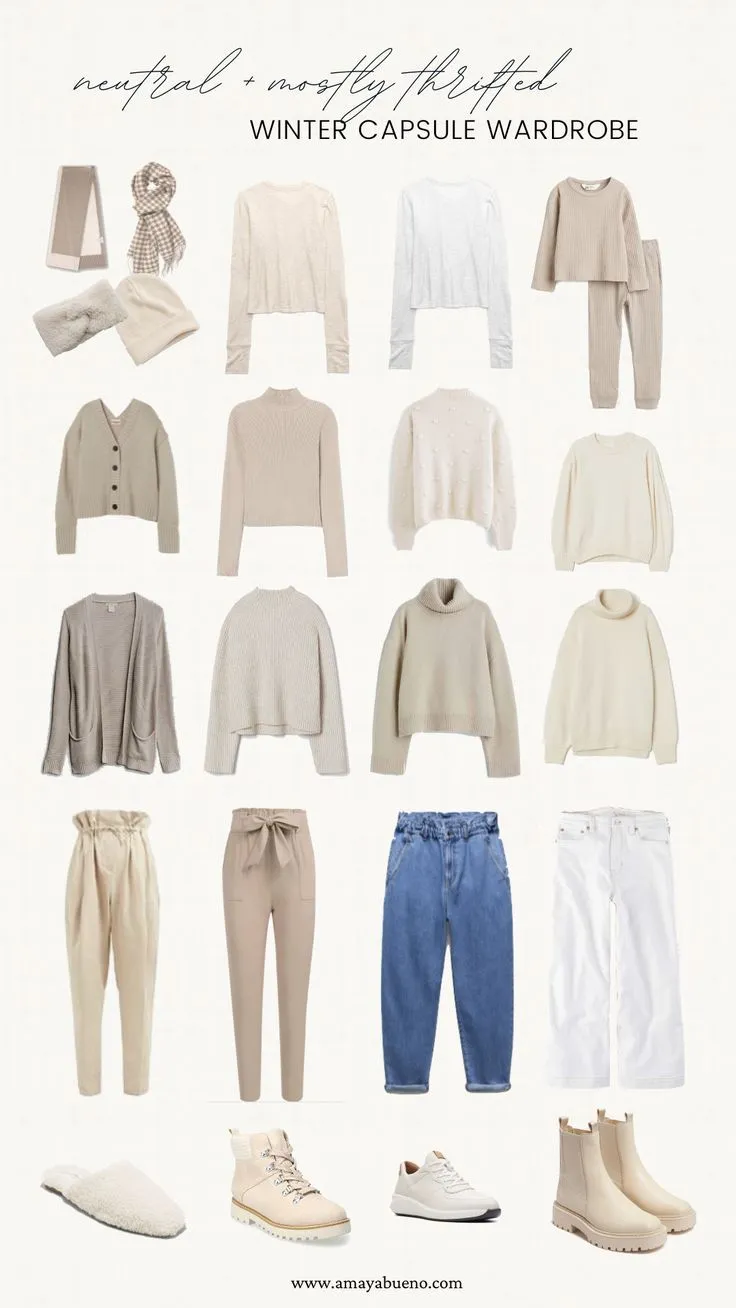
Photo: minimalist teen fashion neutral outfit aesthetic wardrobe, via i.pinimg.com
Scroll through TikTok for five minutes and you might notice something a little different lately. The overcrowded haul videos and neon-everything outfits are getting fewer views, while videos of someone in a perfectly fitted cream sweater and tailored trousers are racking up millions of likes. What's going on? Welcome to the era of quiet luxury — and Gen Z didn't just stumble into it. They chose it, deliberately.
This isn't your grandma's beige wardrobe, either. It's a whole vibe, a mindset, and honestly, a bit of a flex in disguise.
What Even Is Quiet Luxury?
Quiet luxury is the art of looking expensive without looking like you're trying to look expensive. Think cashmere-blend sweaters in neutral tones, well-cut wide-leg trousers, leather loafers, and minimal jewelry. The aesthetic borrows from old-money sensibilities — the kind of style you'd see on the characters in Succession or The White Lotus — but Gen Z has remixed it into something that feels genuinely theirs.
The key ingredients? Quality over quantity, neutral palettes (think oatmeal, slate, ivory, and forest green), and an almost aggressive lack of visible branding. If you can read the logo from across the street, it's probably not quiet luxury.
Style creator Maya T., 19, from Chicago, put it perfectly in a recent interview: "I got tired of buying ten things from fast fashion sites every month and feeling like nothing in my closet actually worked together. Now I buy three things a season that I actually love, and I feel so much more put together."
The Psychology Behind the Pull
So why are teenagers — a demographic famously obsessed with trends, peer validation, and social media performance — suddenly gravitating toward something so... restrained?
A big part of it is burnout. Fast fashion has been moving at a genuinely unsustainable pace, and teens are exhausted. The pressure to constantly have something new, something trending, something that'll pop on a grid has taken a serious toll on both wallets and mental health. Quiet luxury offers an escape from that hamster wheel.
There's also a status shift happening. For a long time, visible luxury was the goal — a Supreme drop, a pair of Yeezys, a bag with an unmistakable logo. But when everything becomes a logo, the logo loses its power. The new status symbol is taste, and taste is harder to fake than a price tag.
Psychologists who study consumer behavior call this "inconspicuous consumption" — spending in ways that signal wealth and sophistication to those who know what to look for, without broadcasting it to everyone. It's a more exclusive kind of cool, and Gen Z has figured that out.
Fast Fashion Fatigue Is Real
Let's be honest: Shein hauls and Zara splurges aren't going away entirely. But there's a growing awareness among teens about the true cost of ultra-fast fashion — environmental damage, poor labor conditions, and clothes that fall apart after three washes. The quiet luxury shift is partly a values shift.
According to a 2023 survey by ThredUp, Gen Z and Millennials are the biggest drivers of the secondhand clothing market, which is expected to double by 2027. Vintage shopping, thrifting, and clothing swaps have moved from niche to mainstream, and the quiet luxury aesthetic is perfectly suited to the thrift store hunt. A well-cut blazer from Goodwill in a neutral shade? That's quiet luxury gold.
Jordan K., 17, from Austin, Texas, has been building what he calls his "capsule wardrobe" entirely from thrift finds and eBay vintage scores. "I probably spent $200 total over six months, and I genuinely get more compliments now than when I was spending that every week on fast fashion," he says. "People ask where I shop and I love telling them Goodwill."
Building Your Own Quiet Luxury Wardrobe on a Budget
Here's the thing — you don't need a trust fund to pull this off. You need patience, a good eye, and a willingness to step away from the impulse buy. Here's a practical starting point:
Start with a neutral base. Build around colors that work together effortlessly: white, cream, camel, navy, grey, and black. When everything pairs with everything, you need fewer pieces to create more outfits.
Invest in fit. A $15 blazer that fits perfectly looks better than a $150 one that doesn't. If you find a piece you love that's slightly off, a basic tailor alteration can cost under $20 and transforms the whole thing.
Thrift first, buy new last. Goodwill, ThredUp, Depop, Poshmark, and local vintage shops are your best friends. Quiet luxury pieces — linen shirts, structured trousers, leather belts — are everywhere in secondhand stores because they're classic and people donate them constantly.
Focus on fabric. Learn to feel the difference between cheap polyester and natural fibers like cotton, linen, and wool blends. Natural fabrics drape better, breathe better, and look more expensive even when they're not.
Edit ruthlessly. This aesthetic is about having less. If something doesn't fit the palette or the vibe, let it go. A smaller, cohesive wardrobe will always feel more luxurious than a stuffed closet of random pieces.
The Anti-Influencer Influence
Here's the irony: quiet luxury has spread almost entirely through influencer culture — just a different kind. The creators leading this movement aren't doing massive hauls or sponsored drops every week. They're posting slow, intentional content: a morning routine in a neutral linen set, a "what's in my bag" with only five things, a capsule wardrobe breakdown.
Accounts like @oldmoneyaesthetic and @quietluxury on TikTok and Instagram have millions of followers who come back not for the dopamine hit of a new product, but for the calm, aspirational feeling the content creates. It's a complete 180 from the frantic energy of traditional influencer culture.
And that calmness? That's the whole point. In a world of constant noise, going quiet is the loudest statement you can make.
The Bottom Line
Quiet luxury isn't just a fashion trend — it's a response to everything that's felt overwhelming about being a teenager in the age of social media. It's a way of saying: I know who I am, I don't need to prove it to you, and I definitely don't need a logo to do it.
And honestly? That confidence — the kind that doesn't need to be announced — might be the most stylish thing of all.