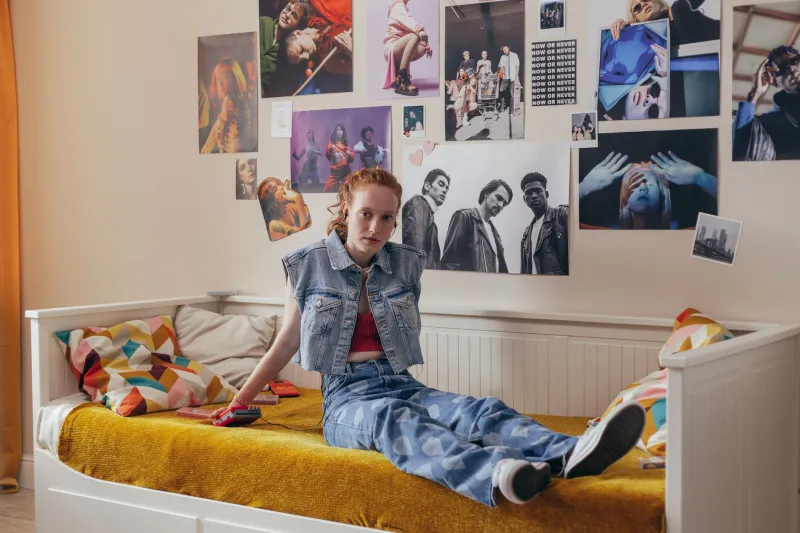
Your Finsta Is Lowkey a Business and You Haven't Even Noticed Yet

Remember when finstas were just where you dumped the photos that didn't make the cut? The blurry ones, the rants nobody asked for, the 3 a.m. voice memo breakdowns. It was the internet equivalent of a diary with a combination lock — just you and like 40 people you actually trusted.
Something shifted though. Somewhere between the algorithm getting more aggressive and main accounts becoming basically digital résumés, teens started realizing something wild: the messy, unfiltered version of themselves was actually the most magnetic thing about them online. And now? People are paying for it.
The Authenticity Premium Is Very Real
Here's the psychology behind why this works. When everything on your main is curated — the lighting, the caption, the timing — followers start to feel the distance. It's like watching a TV show versus FaceTiming your best friend. One is produced. The other actually hits.
The finsta, or any private close-friends-style account, carries a totally different energy. It signals: you made the cut. Being let in feels like a privilege, and that sense of exclusivity is exactly what drives people to open their wallets.
Creators on Patreon, Substack, and even through paid Discord servers have figured this out. The teens doing it smartest aren't selling a polished brand — they're selling access to the unpolished one. Think: unfiltered GRWM content, real talk about mental health, honest fashion hauls where you admit the skirt from SHEIN looked nothing like the website. That kind of content doesn't belong on a main. But it absolutely has a price tag.
How the Actual Money Moves
So what does monetizing a private account actually look like in practice? A few different models are popping off right now.
Paid Close Friends lists are probably the most direct. On Instagram, some teens are charging a small monthly fee — usually anywhere from $3 to $10 — to be added to a Close Friends story list that gets content the public never sees. It's low-lift, no platform cut, and surprisingly sustainable if you've got even a modest following that's genuinely engaged.
Discord communities are another lane entirely. A lot of teen creators are using their finsta or private TikTok as the entry point — the thing that makes people want more — and then funneling that audience into a paid Discord server. Inside, they're doing Q&As, sharing exclusive playlists, posting daily life updates, and building a community that actually talks back. Some servers charge as little as $5 a month and have hundreds of members. Do the math.
Substack newsletters are having a moment too, especially among teens who are more into writing or music commentary. The finsta becomes a teaser; the newsletter is where the real stuff lives. And Substack lets you put certain posts behind a paywall while keeping others free — perfect for testing what your audience actually values.
The Blurry Line Between Real and Strategic
Here's where it gets complicated, and honestly kind of fascinating. The whole appeal of a finsta is that it's not strategic. It's supposed to be the place where you're not performing. But the second you start charging for access to it, a tiny bit of that rawness gets complicated.
Suddenly you're thinking: is this post authentic enough? Will my paid followers feel like they got their money's worth this month? That pressure is real, and a lot of teen creators talk about it. There's this weird tension between staying genuine and staying consistent enough to justify people paying you.
But here's the thing — that tension doesn't have to be a trap. The teens navigating it best are the ones who set their own terms early. They're transparent with their audiences. They say outright: this is still me, I'm just sharing it with fewer people, and yes there's a fee. That honesty? Ironically makes it feel more authentic, not less.
What This Says About How We See Value Now
There's a bigger cultural shift happening underneath all of this. Gen Z has grown up watching influencers sell them things they don't need through content that's been filtered within an inch of its life. The backlash was inevitable. Teens are increasingly drawn to creators who feel like actual people — and they're willing to financially support that feeling.
It's not that different from paying for a Spotify subscription versus just listening to ads. You're paying to remove the friction. Except in this case, the friction is distance. You're paying to feel genuinely close to someone.
And for the teens on the creator side? This is genuinely empowering. You don't need a million followers. You don't need brand deals or a manager. You just need a core group of people who are actually invested in you — the real you, chaos and all — and a platform that lets you charge for that connection.
Starting Your Own Without Burning Out
If any of this sounds like something you want to try, the most important thing is to not overcomplicate it at the start. Pick one platform. Keep your paid content as natural as your free content — don't suddenly start producing mini documentaries because people are paying you $5 a month. That's how you burn out in three weeks.
Be consistent but not robotic. Show up when you actually have something to say. And be honest with your audience about what they're getting. The finsta economy runs on trust. Break that and the whole thing collapses.
The wildest part of all of this? The teens making it work aren't the ones with the biggest audiences. They're the ones with the most real ones. And in 2025, that might actually be the most valuable thing you can build.