Online First, Real Life Forever: How Teens Are Finding Their People in the Digital Age
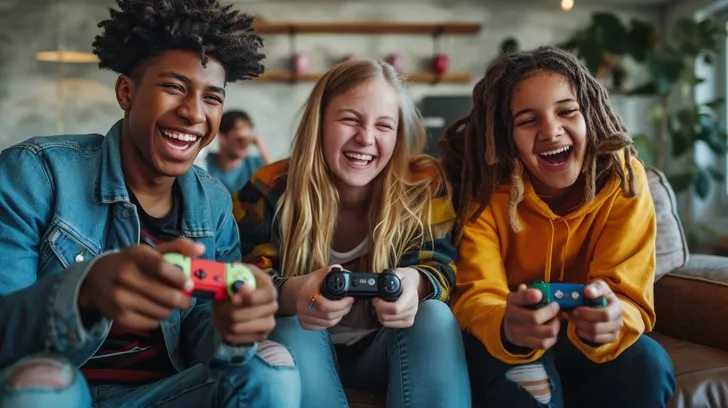
Photo: teenagers friends laughing gaming together at home, via images.stockcake.com
Maya, 16, from suburban Ohio, has a best friend she's never met in person. They bonded in a fan server for a K-pop group, started DMing daily, and now they FaceTime so often that Maya's mom jokes she's basically a member of the family. "She knows more about me than people I've sat next to in homeroom for three years," Maya says. "Like, actually more."
This kind of story isn't the exception anymore. For Gen Z, the line between online friendship and "real" friendship has basically dissolved. The question isn't whether you can form genuine bonds through a screen — it's how, where, and what those communities actually look like when you zoom out.
The New Squad: Built in Servers, Not Cafeterias
Forget the cafeteria table as the symbol of teenage social hierarchy. Today's social architecture is way more fragmented — and honestly, way more interesting. Teens are building their core communities across Discord servers, Reddit threads, Roblox lobbies, fan wikis, and group chats that span multiple time zones.
Discord in particular has become the de facto town square for niche communities. Whether it's a server dedicated to a specific music artist, an indie game, a TV show, or just a shared sense of humor, Discord creates a space where you can find people who are into the exact same weird, specific thing you are. And that specificity is the whole point.
Think about it: in a high school of 1,500 students, you might find two or three people who are as obsessed with a particular underground rap artist or a niche fantasy novel series as you are. But in a Discord server? There are thousands of them. The internet doesn't just expand your social circle — it makes it possible to find your actual people, the ones who get the references, who share the obsession, who show up at 11 PM just to talk about the new album drop.
"I have school friends and I have Discord friends and they're both real," says Jordan, 17, from Atlanta. "My Discord crew actually listens to the same music I do. We've built entire inside jokes around lyrics. It hits different when someone just gets it without you having to explain anything."
Fandoms as Foundations
Music fandoms have always been a powerful force in teen culture — Beatlemania, the Directioners, the BeyHive. But the internet turbocharged the whole thing. Now, stanning an artist isn't just about buying merch and going to concerts. It's about building an entire social life around a shared passion.
Twitter (or X, whatever), Tumblr, and TikTok fan accounts create ecosystems where teens collaborate on edits, analyze lyrics, debate album rankings, and rally together during controversies. These spaces develop their own cultures, their own in-jokes, their own hierarchies. And the friendships formed inside them can be deeply, genuinely meaningful.
Sabrina, 15, from Los Angeles, says she met her current friend group entirely through a Phoebe Bridgers fan community on Tumblr. "We started out just reblogging the same posts and then someone made a group chat. Now we have a playlist we all add to, we send each other voice memos, we're planning to go to a show together this summer. I literally cannot imagine my life without these people."
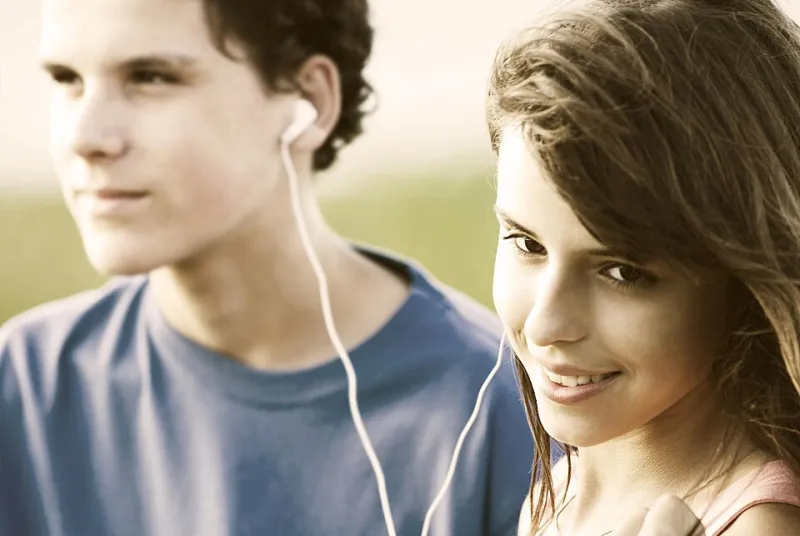
What's interesting is how music specifically acts as a bonding agent. Sharing a song you love with someone is an act of vulnerability — you're saying this is something that lives inside me and I want you to hear it. When someone responds with the same level of feeling, that's a real connection. Platform or no platform.
Gaming Crews and the Loyalty Factor
Gaming communities deserve their own conversation because the bonds formed there operate on a different level. When you're playing a co-op game with someone for hours at a time, communicating in real time, winning and losing together, something happens. You learn how someone thinks. You see how they handle pressure. You find out if they're the type to blame teammates or pick them back up.
Multiplayer games like Fortnite, Minecraft, Valorant, and Roblox have become unlikely friendship incubators. Teens who start as strangers in a random lobby end up forming crews that play together every weekend, jump on voice chat to debrief after a tough round, and eventually start sharing stuff about their actual lives.
"My Minecraft server friends are some of the most loyal people I know," says Darius, 16, from Houston. "We've been playing together for two years. We know each other's schedules, we hype each other up when something good happens IRL. It's not just a game thing — it's a whole friendship."
The loyalty piece is real. Online communities create accountability structures that can sometimes be tighter than in-person friend groups. When your only connection to someone is voluntary — nobody is forcing you to be in the same server — the fact that you keep showing up means something.
FOMO Has a New Shape
Of course, digital community-building isn't without its complications. FOMO — the fear of missing out — has evolved into something more layered than just not being invited to a party. Now it's about missing a live stream, being offline when a big moment happened in the server, or feeling like a community is moving on without you.
"There's definitely a pressure to always be available," admits Maya. "Like if I'm not online for a few days, I feel like I'm missing everything. And then I come back and there's 800 unread messages and I just feel behind."
This always-on pressure is something a lot of teens navigate quietly. The same spaces that provide belonging can also create anxiety. Being part of multiple communities across multiple platforms means you're always potentially missing something somewhere.
When Online Becomes IRL
The moment an online friendship crosses over into real life is genuinely special — and increasingly common. Fan meetups, gaming conventions like PAX, concert meetups organized through fan accounts, and even just coordinating a trip to see a friend in another state are all happening regularly among Gen Z.
And here's the thing: those meetups often feel less awkward than you'd expect. When you've already spent months or years talking daily, sharing music and memes and personal stuff, meeting in person doesn't feel like meeting a stranger. It feels like seeing someone you already know.
"When I finally met my Discord friends at a show," Sabrina says, "it was honestly just like — oh, there you are. Like finally putting a real hug to a name I'd been texting for a year."
That's the thing about community in the digital age. It doesn't replace real life — it runs parallel to it, intersects with it, and sometimes becomes it. Your people are your people, whether you found them in a cafeteria or a server at 1 in the morning bonding over a song that made you both feel less alone.