Gone Quiet: Why Teens Are Letting Their Main Accounts Collect Dust — And Living Elsewhere Online
There's a specific kind of quiet that's spreading across social media right now, and it's louder than it looks. Scroll through any mid-size Instagram or Twitter account belonging to a US teen and you might notice the last post is from eight months ago. No explanation. No "taking a break" story. No dramatic goodbye. Just... nothing. The account is still there, the follower count frozen in time, the bio unchanged — but the person behind it has basically left the building.
This isn't quitting. It's not a detox. It's something different, something that doesn't have a clean name yet — though "soft ghosting your own account" is probably the closest thing. And it's happening everywhere.
The Profile That Stopped Posting
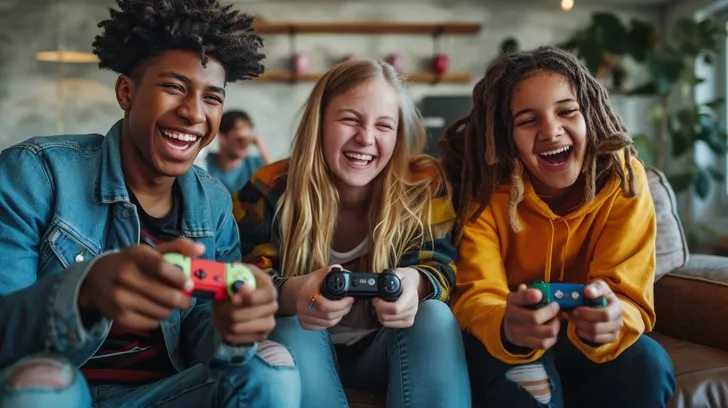
Here's the thing about the teens who've gone quiet on their main accounts: they're not offline. Not even close. They're just... somewhere else. Discord servers with 12 people they actually know. Group chats that never stop buzzing. Finsta accounts that haven't been updated publicly since 2022 but are still very much alive in DMs. Smaller apps — Letterboxd, Notion shared docs, even old-school Tumblr revivals — where the audience is intentionally tiny.
The shift is real and it's measurable. Studies tracking teen social media behavior have found that while overall screen time hasn't dropped dramatically, the distribution of that time has changed significantly. Less time on the big public-facing platforms, more time in private, invite-only spaces. The main account becomes a ghost town. The real social life moves underground.
So what happened? And why now?
The Exhaustion Is Real
To understand why teens are quietly stepping back from their main accounts, you have to understand what it actually costs to maintain one. And we're not talking money.
Posting publicly — especially on Instagram or TikTok, where the audience can include your whole school, your extended family, random strangers, and future employers — requires a level of performance that most adults don't fully appreciate. Every caption has to land. Every photo has to be worth posting. Every opinion you share is potentially screenshot-able, shareable, and permanently attached to your name. That's a lot of pressure to carry around, especially when you're 16.
The music world actually gets this better than most. Artists talk constantly about the mental toll of being "on" all the time — the pressure to stay relevant, stay consistent, stay in character for an audience that's always watching. Teens are living that same experience, just without the record deal. Their main accounts have become a stage, and the performance never stops. So some of them are just... walking offstage.
Where They're Actually Going
The migration isn't random. It follows a pretty clear pattern: teens are trading scale for intimacy.
Discord has become one of the biggest beneficiaries of this shift. Servers built around specific fandoms, music tastes, or friend groups offer something the big platforms stopped being able to provide: the feeling that you're talking to people, not at an audience. You can be weird. You can be wrong. You can share a half-formed opinion about a new album without it becoming a whole thing. The stakes are just lower.
Group chats — iMessage threads, WhatsApp groups, even old-school Snapchat streaks — have quietly become the most active social spaces for a huge chunk of US teens. There's no public feed, no algorithm deciding who sees what, no follower count to obsess over. It's just your people, talking in real time, the way social media was maybe always supposed to work before it got enormous and weird.
Then there are the niche apps. Letterboxd for movie lovers. Goodreads for readers. Private Spotify sessions. Even Tumblr, which was supposed to be dead, has seen a genuine teen revival — partly because it's smaller and lower-stakes than the mainstream platforms. There's a certain freedom in posting somewhere that feels like nobody's really watching.
The Main Account as Museum Piece
Here's the irony: even though teens have stopped updating their main accounts, most of them aren't deleting them either. The accounts stay up, frozen in time — a kind of digital museum of who they used to be online, or who they felt like they had to be.
Why keep it? A few reasons. Some teens hold onto the account as a safety net — a way to stay findable, to keep the followers they built, to leave the door open if they ever want to return. Others keep it because deleting feels too dramatic, too final, too much like making a statement. And some keep it because, honestly, they just don't think about it. The account is a thing that exists. They just don't live there anymore.
There's also something almost symbolic about it. The dormant main account is like a bedroom in a house you've moved out of — still technically yours, still holding the stuff you left behind, but not really home.
What This Says About Where We're At
The quiet exodus from public social media says something significant about where teen digital culture is heading. The era of "build your brand, grow your audience, post consistently" — the influencer-era mindset that trickled down from content creators to regular teens — is losing its grip. Teens are increasingly skeptical that maintaining a public persona is worth the cost.
And honestly, that skepticism makes sense. The pandemic years turbocharged social media use and also, paradoxically, revealed how hollow a lot of it felt. When real life got stripped away, the performance of life online became more obvious. Teens noticed. Now, with real life back, many of them are choosing to just... live it, without broadcasting every part of it to an audience of people they barely know.
The move toward smaller, more private spaces isn't anti-social. If anything, it's the opposite — it's a search for actual connection over curated performance. It's choosing depth over reach. It's deciding that 10 people who genuinely get you are worth more than 1,000 followers who don't really see you at all.
What Comes Next?
Platforms are going to have to reckon with this. The teens who are quietly ghosting their main accounts aren't coming back just because an app rolls out a new feature or tweaks its algorithm. They've tasted something different — something smaller and more real — and that's a hard thing to compete with.
For now, though, the quiet is spreading. Accounts going still. Bios unchanged. Last post from months ago. And somewhere behind all that silence, a group chat is absolutely popping off.